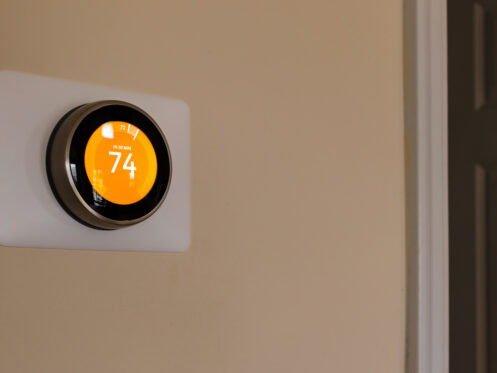
Every home has a few comfort quirks. Maybe the upstairs is always too warm or the living room never cools fast enough. A smart thermostat doesn’t just help you control the temperature—it helps you understand how your home uses energy. Instead of constantly adjusting dials or buttons, you set preferences once, and the system does the work for you.
1. Offers More Than Just Temperature Control
A smart thermostat reshapes how your home manages comfort. With traditional models, you pick a number and hope it holds. A smart system learns from your patterns and adjusts without reminders. If your routine changes, it adjusts. It raises or lowers the temperature automatically based on your daily habits. That kind of support helps your system avoid wasted effort while keeping the house comfortable when it matters.
2. Gives a Better Grip on Energy Costs
Running the AC while the house is empty or heating rooms before anyone’s awake adds up fast. Many smart thermostats use geofencing or motion sensors to determine when you’re home and when you’re not. They also display your energy use in easy-to-read reports. You can compare usage trends, identify waste, and adjust habits that lead to real savings. Even small changes, like shifting your nighttime settings, become easier to track and optimize.
3. Adjusts Temperatures From Anywhere
You can control your thermostat from your smartphone when you’re away. Whether you’re heading home earlier than expected or forgot to switch settings before leaving, remote access helps you stay energy-efficient. Your home feels just right when you walk in—and you avoid wasting energy while you’re gone.
4. Keeps You Informed Without Interrupting
Smart thermostats monitor your system’s performance and alert you to potential issues, like filter clogs or irregular run times. While not all models diagnose specific problems, some can detect runtime patterns that signal short cycling or energy waste. Getting these alerts early helps prevent unexpected breakdowns and expensive repairs.
5. Customizes Schedules That Actually Work
Life doesn’t always follow a strict schedule—and your thermostat shouldn’t have to either. Smart thermostats offer flexible scheduling features, some even adapting automatically using motion sensors or geofencing technology. If your home empties earlier than expected, the thermostat can shift into energy-saving mode without waiting for a pre-set time. You can adjust schedules on the go with a user-friendly app instead of navigating hard-to-use buttons or menus.
6. Works With Zoned HVAC Systems
If your HVAC system has zoned controls, many smart thermostats can enhance zone-by-zone comfort. When paired with compatible zone controllers or room sensors, you can maintain different temperatures for different parts of the house. That means keeping the upstairs cool for sleeping while the downstairs stays warm for morning coffee—without wasting energy on unoccupied areas.
7. Helps During Seasonal Swings
Smart thermostats are better equipped to handle sudden changes in weather. Many models use real-time weather data and indoor humidity sensors to make proactive adjustments. When temperatures swing between cool mornings and warm afternoons, your thermostat helps maintain comfort without constant manual changes.
8. Reduces Wear and Tear on HVAC Equipment
Short cycling and frequent temperature swings can put a strain on your HVAC system. Smart thermostats take a more measured approach, using system history and outdoor conditions to make gradual adjustments. This smoother operation can reduce stress on your compressor and blower motor, helping to extend the life of your system and cut down on repair costs.
9. Helps Manage Humidity Levels
Some smart thermostats can monitor indoor humidity and, if paired with compatible HVAC equipment, trigger dehumidification without excessively lowering the temperature. This helps your home feel more comfortable during humid summer days while also preventing mold, wood warping, and other moisture-related issues.
10. Integrates With Other Smart Home Devices
Smart thermostats often work within a larger home automation system. You can set routines that adjust temperature when lights turn off, doors lock, or windows open. These integrations create a more connected, responsive living environment that reacts to how you move through your home.
11. Provides Useful Data for Smarter Decisions
Unlike traditional thermostats, smart models offer detailed energy reports. You can see when your system runs most, identify inefficiencies, and make informed decisions about upgrades like better insulation or new windows. These insights go beyond comfort—they support smarter energy investments.
Install a Smart Thermostat Today
At M&S Air Conditioning & Plumbing in Leesburg, FL, we provide expert installation of smart thermostats and support systems that help you get the most out of your HVAC. We also offer routine maintenance, ductwork services, and indoor air quality upgrades. Give us a call to learn more or schedule your smart thermostat installation today.