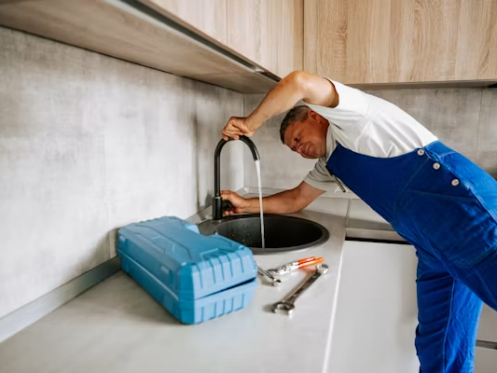
A dripping faucet seems harmless until the water bill rises. A slow drain may seem manageable until it becomes a full blockage. Plumbing problems often start with small clues that homeowners overlook, then become much harder to ignore. If you are searching for a plumber in Belleview, FL, knowing the warning signs can help you act before a minor plumbing issue turns into water damage, disrupted routines, or an expensive repair.
What Are the Most Common Plumbing Issues in Bellevue?
The most common plumbing problems include leaks, clogged drains, running toilets, low water pressure, sewer-related issues, and water heater problems.
1. Hidden and Visible Water Leaks
Some leaks announce themselves with dripping faucets or puddles beneath a sink. Others are much sneakier. A sudden increase in water usage, damp cabinet interiors, staining, peeling paint, or an unexplained musty smell can point toward a concealed leak.
The EPA’s WaterSense program notes that household leaks can waste thousands of gallons of water and may result from aging plumbing, worn fixtures, corrosion, pressure problems, or incorrect installation.
2. Clogged Drains That Keep Coming Back
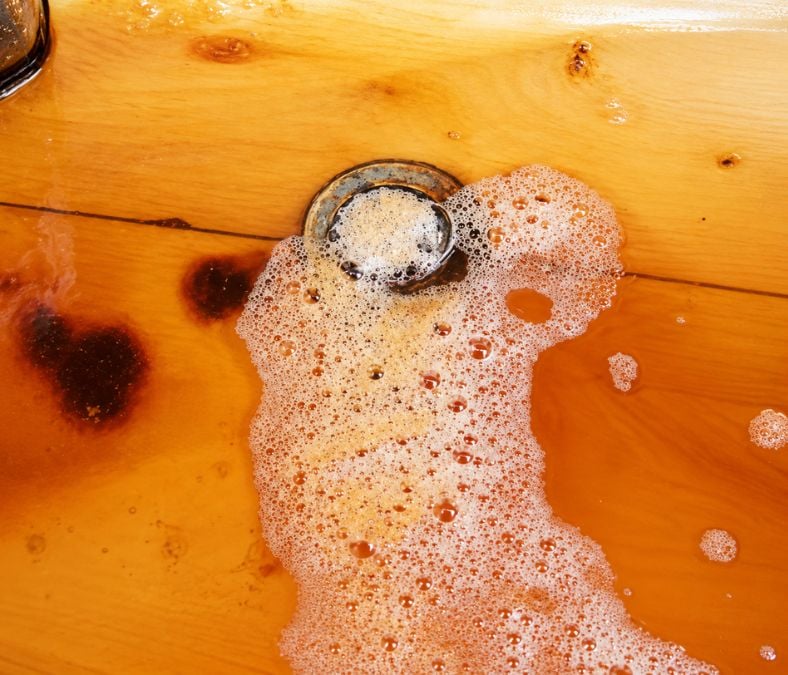
A drain that empties slowly is not necessarily a minor inconvenience. Recurring blockages can indicate buildup farther inside the drain line.
Kitchen sinks commonly deal with grease, food particles, and residue. Bathroom drains can collect hair, soap residue, and other debris. Pouring chemical drain cleaner down the pipe may provide temporary relief, but repeated clogs deserve closer attention.
Watch for these clues:
- Water backing up into a sink or tub
- Multiple drains slowing at the same time
- Gurgling sounds from drains
- Unpleasant odors
- A clog that returns soon after cleaning
When several fixtures begin behaving strangely together, the problem may extend beyond one drain.
3. Toilets That Run, Rock, or Refuse to Flush Properly
A toilet that runs between flushes is more than an annoying sound. A worn flapper, faulty fill valve, or another internal component may allow water to continue flowing.
The EPA recommends a simple dye test to check toilets for silent leaks. If colored water in the tank appears in the bowl without flushing, the toilet may have a leaking flapper or another problem that needs attention.
4. Low or Inconsistent Water Pressure
Have you ever started a shower only to discover that the water pressure has mysteriously dropped? Low pressure can have several possible causes, including a restricted fixture, plumbing issue, or problem affecting the home’s incoming water supply.
The pattern matters. If only one faucet has weak flow, the fixture itself may be the culprit. If several fixtures suddenly experience low pressure, broader investigation makes more sense.
Water pressure that is unusually high can also be problematic. WaterSense recommends household service pressure in the range of 45 to 60 psi for water-using fixtures to operate effectively.
5. Water Heater Problems
Hot water problems are easy to notice because they interfere with everyday routines. Running out of hot water unusually quickly, inconsistent temperatures, unusual noises, or visible moisture around the unit can all justify an inspection.
The cause may involve a component, sediment, connection, or another serviceable issue. A professional assessment can help determine what is actually happening before a major decision is made.
One Table to Help Spot the Difference
| Plumbing Symptom | Possible Cause | What Homeowners Should Do |
|---|---|---|
| Slow single drain | Local buildup or obstruction | Clean and monitor; seek service if recurring |
| Several slow drains | Main-line restriction | Arrange professional assessment |
| Running toilet | Worn internal component | Check for a silent leak and repair |
| Damp cabinet or wall | Supply or drain leak | Locate the source promptly |
| Weak water pressure | Fixture or supply issue | Check whether multiple fixtures are affected |
| No hot water | Water heater problem | Stop troubleshooting if unsafe and request service |
Getting Professional Plumbing Help
Understanding common plumbing symptoms can help homeowners make better decisions, but diagnosing a hidden problem is different from spotting a dripping faucet. M&S Air Conditioning & Plumbing provides plumbing services for homeowners who need professional assistance with leaks, clogs, fixtures, and other plumbing concerns.
The right service approach starts with identifying the actual cause rather than simply treating the most obvious symptom. That can help homeowners understand the work required and decide on an appropriate solution.
Key Takeaways
- Small plumbing symptoms can provide early warnings of larger problems.
- Recurring clogs or multiple slow drains deserve closer investigation.
- Running toilets can waste water even when the leak is difficult to notice.
- Unexplained water usage can point toward a hidden leak.
- Knowing the location of the main shutoff can be valuable during a major leak.
- Professional diagnosis is useful when the source or severity of a plumbing problem is unclear.
Frequently Asked Questions:
What are the most common plumbing issues in Bellevue?
Common problems include leaking faucets and pipes, clogged drains, running toilets, low water pressure, water heater issues, and sewer or main drain problems.
How can a homeowner tell if there is a hidden water leak?
Unexpected water usage, damp areas, staining, musty odors, or a water meter that changes when no water is being used can indicate a hidden leak.
Why does the same drain keep getting clogged?
A recurring clog may result from ongoing buildup, an obstruction deeper in the line, or an underlying drainage issue. Repeatedly treating the symptom without identifying the cause may not solve the problem.
When is a plumbing leak an emergency?
Rapid water loss, sewage backup, a burst pipe, or water reaching electrical components warrants prompt action. Shut off the water if it can be done safely and seek professional assistance.