If your air conditioner runs but rooms still feel warm, the thermostat may not be the real problem. In Leesburg, cooling systems work hard through long, humid seasons, so small issues can become noticeable before a complete breakdown. Understanding HVAC in Leesburg FL problems help homeowners recognize warning signs early and know when professional diagnosis is warranted.
1. Restricted Airflow From a Dirty Filter
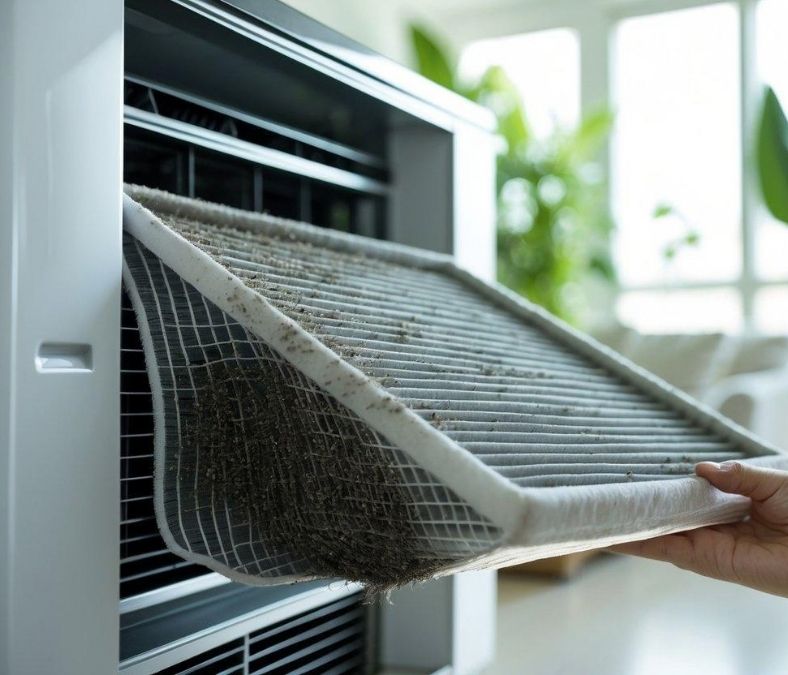
A clogged air filter is one of the first things to investigate when airflow feels weak. A dirty filter makes the blower work harder and can reduce conditioned air reaching rooms.
Check the filter according to the manufacturer’s instructions and replace it when dirty. Dust, pets, construction activity, filter type, and system runtime affect how quickly a filter loads.
The U.S. Department of Energy‘s HVAC maintenance guidance explains that dirty filters can reduce airflow and increase equipment runtime and energy consumption.
2. Refrigerant or Coil Problems
If the system runs for long periods but does not cool effectively, the cause may involve refrigerant, the evaporator coil, or another component affecting heat transfer. Ice on the indoor coil or refrigerant lines is another warning sign.
Do not add refrigerant yourself. A technician should determine whether the charge is correct and whether a leak or component problem is involved. This is a situation where HVAC repair in Leesburg is more appropriate than repeated thermostat adjustments.
3. Condensate Drain Clogs and Moisture
Air conditioning removes moisture from indoor air, and that water must drain away properly. A blocked condensate drain can cause water around the indoor unit, a full drain pan, or an unexpected shutdown.
In a humid Florida home, do not ignore unexplained moisture near the air handler.
4. Uneven Temperatures and Ductwork Issues
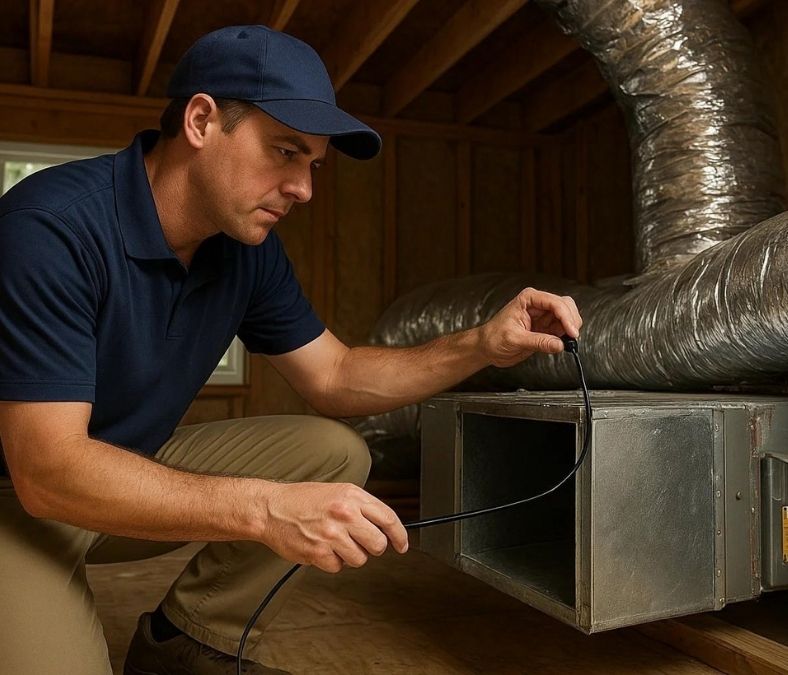
One bedroom being warmer than the rest of the house does not automatically mean the air conditioner is too small. Duct leakage, damaged flexible ducts, insulation problems, closed registers, or airflow restrictions may be responsible.
| Problem | What You May Notice | First Step |
|---|---|---|
| Dirty filter | Weak airflow, longer cycles | Inspect and replace filter |
| Coil/refrigerant issue | Poor cooling, possible icing | Stop operation if icing occurs and arrange diagnosis |
| Drain blockage | Water near air handler | Check for obvious overflow and seek service if unclear |
| Duct problem | Hot or cold rooms | Check vents; arrange inspection if imbalance continues |
| Thermostat issue | Incorrect temperature or cycling | Verify settings and batteries, if applicable |
What Are the Most Common HVAC Problems in Leesburg Homes?
The most common problems include restricted airflow, dirty coils, refrigerant-related issues, condensate drainage problems, thermostat or electrical faults, and ductwork concerns. The exact cause depends on the equipment, installation, maintenance history, and operating conditions.
5. Thermostat and Electrical Control Problems
A thermostat may have incorrect settings, depleted batteries, a faulty sensor, or a connection problem. Frequent short cycling can also point to airflow, sizing, control, or mechanical issues.
Before assuming the system needs major work, verify the thermostat mode, set point, and schedule. If the unit still behaves abnormally, avoid repeatedly resetting it.
6. Outdoor Unit Restrictions
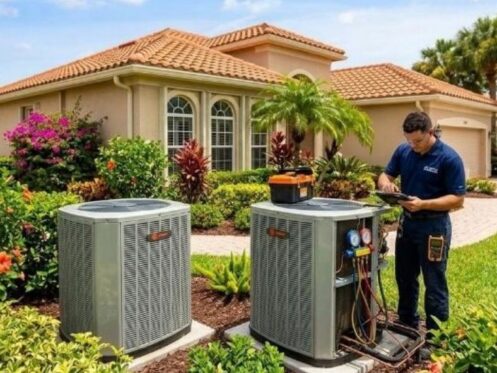
Leaves, grass, dirt, and debris can accumulate around the outdoor condenser. Restricted airflow around the coil can interfere with heat rejection and make cooling less effective.
Keep the area around the outdoor unit reasonably clear. Avoid opening electrical panels or using aggressive cleaning methods unless you know the manufacturer’s procedure.
How Can Homeowners Catch HVAC Trouble Early?
Watch for changes instead of waiting for a complete failure. Warning signs include warmer or more humid rooms, weaker airflow, unusual noises, water near the indoor unit, ice on the coil or refrigerant lines, unusually long cooling cycles, or an unexplained change in electricity use.
These symptoms do not identify one specific fault. They indicate that further inspection may be worthwhile.
When Should You Arrange HVAC Service?
If basic checks do not resolve the problem, or if you see water, ice, burning odors, electrical damage, or complete system failure, stop troubleshooting and seek qualified help. Electrical and refrigerant repairs require appropriate training and equipment.
If HVAC repair in Leesburg becomes necessary, professional evaluation can distinguish between a maintenance issue and a component that needs repair.
For homeowners who travel, thermostat settings are another part of HVAC care. Our HVAC Vacation and Holiday Guide: Using the Correct Settings explains practical ways to prepare a system before leaving home.
Conclusion
Recognizing early HVAC symptoms can help Leesburg homeowners address problems before comfort is seriously affected. Regular filter checks, unobstructed airflow, sensible thermostat use, and timely inspections support dependable operation. When an issue goes beyond basic maintenance, HVAC repair in Leesburg can help identify the actual cause instead of relying on guesswork.
For local assistance, contact M&S Air Conditioning & Plumbing to discuss your home’s HVAC needs.
Need help with an HVAC concern?
Contact M&S Air Conditioning & Plumbing to schedule professional service and get your Leesburg home’s comfort back on track.
Key Takeaways
- Dirty filters, restricted outdoor units, duct problems, refrigerant concerns, and thermostat issues are common HVAC trouble spots.
- Weak airflow, uneven temperatures, unusual sounds, moisture, icing, and extended cooling cycles deserve attention.
- Homeowners can safely check filters, vents, thermostat settings, and outdoor-unit clearance before requesting service.
- Electrical, refrigerant, persistent drainage, and major performance problems should be evaluated by a qualified HVAC technician.
Frequently Asked Questions
How often should I check my HVAC air filter?
Check it regularly and follow the filter manufacturer's replacement guidance. Homes with pets, dust, or heavier system use may require more frequent attention.
Why is my HVAC system running but not cooling the house?
Possible causes include restricted airflow, dirty coils, refrigerant problems, thermostat issues, or ductwork restrictions. A professional diagnosis can determine the actual cause.
Is water around my indoor HVAC unit normal?
No. While air conditioning naturally produces condensate, visible water around the equipment can indicate a drainage problem that should be investigated.