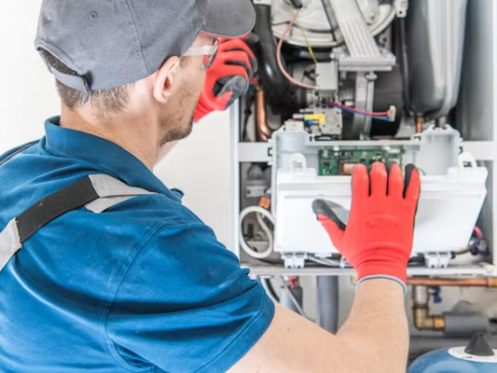
A heating problem rarely arrives at a convenient time. A strange furnace noise, uneven rooms, or a system that keeps cycling can turn a normal day into a decision about whom to call. If you are comparing Oakland heating providers, the cheapest quote is not automatically the smartest choice. The right provider should understand your equipment, explain the problem clearly, and offer a practical path forward. Here are the factors worth checking before scheduling service.
What Should You Check Before Choosing a Heating Service?
Choosing a heating provider is partly about technical skill and how the company handles the customer experience. Before agreeing to service, look beyond the advertisement and ask questions that reveal how the provider actually works.
1. Is the Provider Properly Qualified?
Heating systems involve electrical components, combustion equipment, gas connections, ventilation, and airflow. The provider should have the appropriate licensing, insurance, and training for the work being performed.
Do not hesitate to ask for proof. A professional company should be comfortable explaining its qualifications rather than treating basic questions as an inconvenience.
2. Does the Provider Understand Your Specific System?
A furnace, heat pump, boiler, and packaged HVAC system do not operate in exactly the same way. Experience with the equipment installed in your home matters.
Ask whether the technician regularly works with your system type and brand. This can be particularly useful when the problem involves an older or less common installation.
3. Will the Technician Diagnose Before Recommending?
A heating service should begin with diagnosis, not a sales pitch.
If a technician immediately recommends replacing a major component without checking the system, ask what evidence supports that recommendation. A proper inspection may involve checking airflow, electrical connections, controls, filters, temperature differences, and other relevant components.
4. Is the Estimate Clear?
A low initial price can become less attractive if important charges appear later. Before approving work, ask what the estimate includes.
| What to Check | Why It Matters |
|---|---|
| Diagnostic fee | Clarifies the cost of identifying the problem |
| Labour | Shows whether installation or repair time is included |
| Parts | Helps identify additional component costs |
| Service charges | Prevents surprises on the final invoice |
| Warranty | Explains what happens if a repaired component fails |
A written estimate is especially helpful for larger repairs or replacements.
Do They Explain Repair Versus Replacement?
A trustworthy provider should not automatically push replacement whenever an older system develops a problem. At the same time, repairing an aging system indefinitely may not make financial sense.
Ask the technician to explain both options. Consider the equipment’s age, repair history, current condition, availability of parts, expected operating costs, and the likely cost of future repairs.
How Thorough Is the Maintenance Process?
Maintenance should involve more than changing a filter and saying everything looks fine. The appropriate inspection depends on the system, but a thorough visit should identify conditions that could affect operation, comfort, or reliability.
For example, restricted airflow can affect system performance, while neglected components can contribute to poor indoor conditions. The U.S. Environmental Protection Agency notes that maintaining heating, ventilation, and air conditioning systems can affect indoor air quality.
Homeowners should also ask what maintenance the technician recommends and why. This helps separate useful preventive care from unnecessary add-ons.
Do They Pay Attention to Installation Quality?
If a new furnace or heating system is being installed, equipment selection is only part of the equation. Installation quality can affect comfort, performance, and efficiency.
The U.S. Department of Energy notes that even an efficient furnace may not deliver expected results when it is improperly installed. Oversizing, poorly designed distribution systems, and leaky ducts can contribute to efficiency losses and occupant discomfort.
Ask about system sizing, ductwork, airflow, thermostat compatibility, ventilation, and commissioning. A good installer should be able to explain these details without drowning the homeowner in technical language.
Why Local Experience Can Matter
Heating needs are influenced by local housing characteristics, weather patterns, system types, and the condition of existing equipment. A provider familiar with the local area may have more experience with the types of heating challenges commonly encountered in nearby homes.
Still, “local” should not be the only qualification. Combine location with technical knowledge, transparent pricing, service experience, and clear communication.
Choosing M&S Air Conditioning & Plumbing
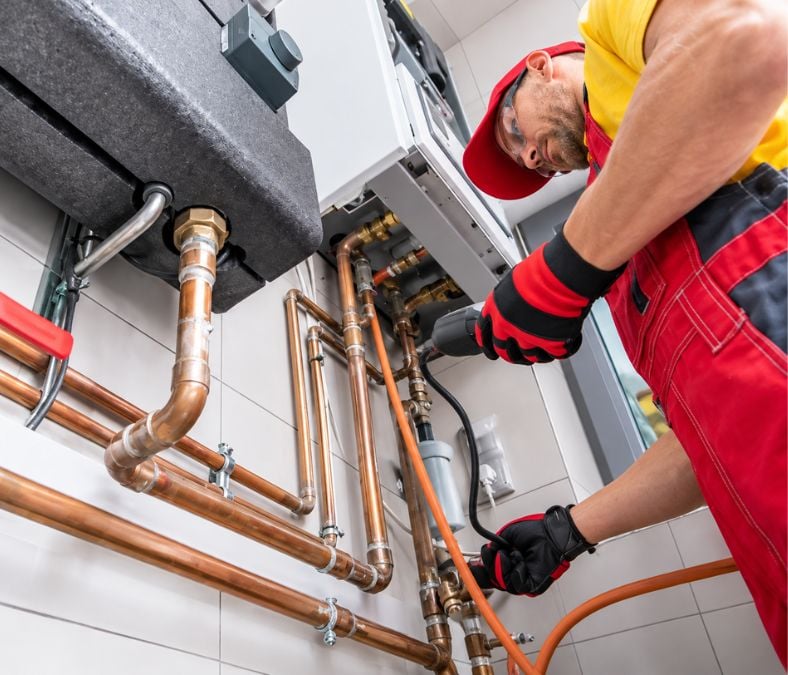
After comparing qualifications, diagnostic practices, pricing, installation standards, maintenance, and communication, homeowners can make a more informed decision. M&S Air Conditioning & Plumbing provides heating services for homeowners looking for professional support with heating systems and related HVAC needs.
The focus should be on understanding the problem, identifying practical options, and completing service with attention to the home’s comfort and system performance.
Key Takeaways
- Check licensing, insurance, experience, and familiarity with your heating system.
- Ask for a detailed written estimate before approving significant work.
- Make sure the technician diagnoses the problem before recommending repairs or replacement.
- For new installations, ask about sizing, airflow, ductwork, and system commissioning.
- Review warranties, follow-up support, and communication practices.
- Compare providers on transparency and technical value, not just price.
Frequently Asked Questions:
How do I know if a heating company is reliable?
Look for appropriate qualifications, clear estimates, relevant experience, positive references, transparent communication, and understandable explanations of recommended work.
Should a technician inspect the system before giving a repair recommendation?
Yes. A proper diagnosis helps identify the actual cause of the problem and provides a basis for deciding whether repair or replacement makes more sense.
Is the cheapest heating service always the best option?
No. A lower quote may not include all labour, parts, warranties, or necessary work. Compare the complete scope of service rather than price alone.
What should be included in a heating service estimate?
The estimate should clearly identify the recommended work, labour, parts, applicable service charges, payment terms, and relevant warranty information.